Get Tree Canopy Thinning
Tree Canopy Thinning services help property owners improve safety, prevent damage, and enhance visibility by reducing overgrown or hazardous tree branches with experienced local contractors.
Tree canopy thinning services are a practical option for property owners seeking to manage the health and safety of their trees. Proper thinning can improve air circulation, reduce the risk of storm damage, and promote healthier growth, making it an important consideration for maintaining a well-kept landscape. If you’re exploring ways to enhance your property’s safety and appearance, you’re in the right place to find experienced local contractors who specialize in these services.
Comparing options from nearby professionals can help ensure the work meets your specific needs. Local service providers understand the unique landscape and tree species in the area, offering tailored solutions that support your property’s long-term care. Keep reading to learn more about how tree canopy thinning can benefit your property and how to connect with trusted local experts ready to assist.
- homeowners may need this service to improve tree health and reduce risk of damage during storms. - property managers might seek thinning services to maintain safety and visibility around commercial sites. - urban developers could require canopy thinning to facilitate construction or new landscape designs. - landowners may request this work to promote healthier growth and prevent overcrowding of trees. - conservation groups might look for thinning services to restore natural forest conditions and biodiversity.
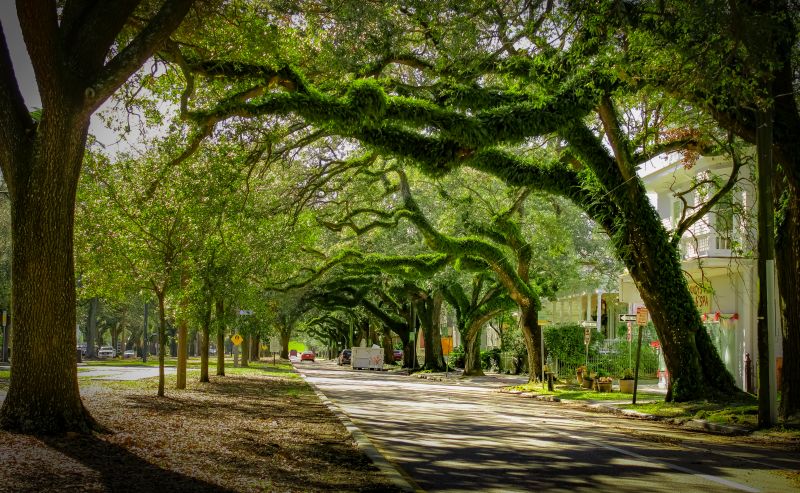
Tree canopy thinning services involve carefully reducing the density of branches and foliage in a tree’s crown to improve overall health and appearance. This process typically includes selectively removing certain limbs and branches to allow more light to reach the interior of the tree and the surrounding landscape. Proper thinning can help prevent the tree from becoming overly crowded, which can lead to issues like branch stress, limb breakage, or uneven growth. Skilled service providers use specific techniques to ensure the tree’s structure remains balanced and healthy after the work is completed.
One common reason property owners seek canopy thinning is to address problems caused by overgrown or dense trees. When a canopy becomes too thick, it can block sunlight, hinder air circulation, and increase the risk of disease or pest infestations. Overly dense branches may also pose safety concerns if they become weak or are at risk of falling during storms. Thinning helps mitigate these issues by reducing weight and improving the tree’s resilience, while also enhancing the aesthetic appeal of the landscape.
Tree canopy thinning is often performed on residential properties, commercial sites, or public spaces where trees are a prominent feature. Homeowners with large, mature trees that have become too dense may choose this service to improve their yard’s health and appearance. Commercial property managers and parks departments also utilize canopy thinning to maintain safe, healthy trees that contribute to the overall landscape design. This service is especially useful for trees that have grown too thick for safe pruning or that are obstructing views, walkways, or utility lines.
By selecting experienced local contractors for canopy thinning, property owners can ensure the work is done safely and effectively. These professionals assess each tree’s unique structure and condition to determine the best approach. Whether the goal is to improve tree health, reduce safety risks, or enhance visual appeal, local service providers can tailor their approach to meet specific needs. Contacting a qualified contractor can help determine if canopy thinning is the right solution for managing overgrown trees and maintaining a safe, attractive property.
The overview below groups typical Tree Canopy Thinning projects into broad ranges so you can see how smaller, mid-sized, and larger jobs often compare in your area.
In many markets, a large share of routine jobs stays in the lower and middle ranges, while only a smaller percentage of projects moves into the highest bands when the work is more complex or site conditions are harder than average.
Smaller Repairs - For routine thinning of small sections of a tree canopy, local contractors typically charge between $250 and $600. Many projects in this range involve light pruning and are common for maintaining healthy trees. Costs can vary based on tree size and accessibility.
Moderate Thinning - More extensive canopy thinning involving multiple trees or larger areas usually falls between $600 and $1,500. These projects are frequent and often include partial removal to improve light and air flow, with prices depending on the scope.
Significant Crown Reduction - Larger, more complex thinning jobs that involve significant crown reduction or removal of large branches can range from $1,500 to $3,500. Such projects are less common but necessary for safety or structural reasons, with costs influenced by tree size and site conditions.
Full Canopy Removal - Complete removal of a tree canopy or entire trees can cost $3,500 and up, with larger or more challenging sites reaching $5,000 or more. These are specialized jobs that are less frequent but handled by experienced local service providers, with prices reflecting complexity and scale.
Actual totals will depend on details like access to the work area, the scope of the project, and the materials selected, so use these as general starting points rather than exact figures.
Tree Pruning Services - professionals skilled in selective trimming to improve tree health and structure, similar to thinning techniques used in canopy management.
Urban Forestry Consulting - experts who plan and assess tree care strategies, including canopy thinning, to promote safety and growth in urban environments.
Landscape Tree Care - local contractors experienced in shaping and maintaining trees to enhance aesthetic appeal, often involving canopy thinning methods.
Storm Damage Tree Removal - specialists who safely remove damaged or hazardous trees, requiring knowledge of tree structure and planning similar to thinning projects.
Tree Health Assessments - professionals who evaluate tree conditions and recommend treatments, including canopy thinning to improve overall vitality.
Forest Management Projects - contractors managing larger-scale tree thinning and forest health practices, applying skills relevant to canopy management services.
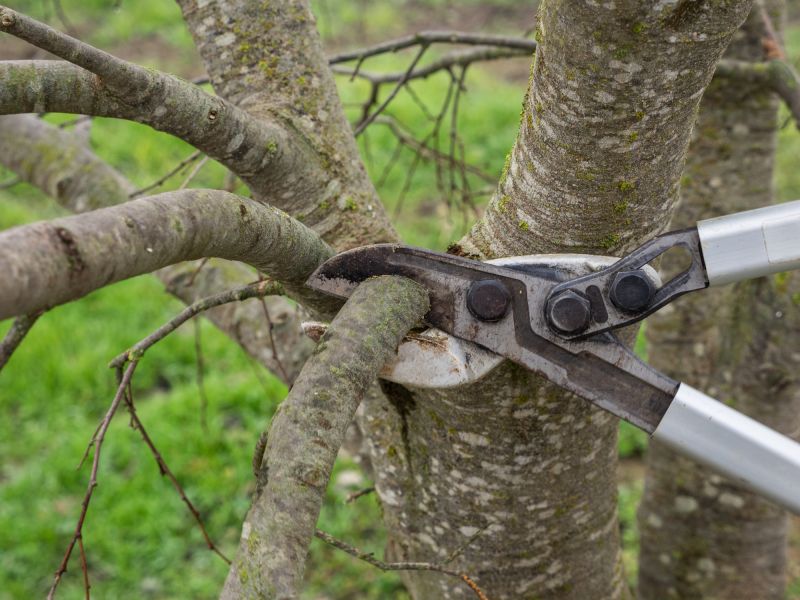
When evaluating service providers for tree canopy thinning, it’s important to consider their experience with similar projects. Homeowners should look for local contractors who have a proven track record in managing tree thinning tasks comparable to their specific needs. Asking about the types of trees they have worked on and the scope of past projects can help gauge their familiarity with the work, ensuring they understand the nuances involved in maintaining healthy and balanced canopies.
Clear, written expectations are essential for a successful tree thinning service. Homeowners should request detailed descriptions of the proposed work, including the methods to be used, the areas to be addressed, and any potential impacts on the property. Having this information in writing helps prevent misunderstandings and provides a reference point throughout the project, making it easier to ensure that the scope aligns with the homeowner’s goals.
Reputable references and effective communication are key indicators of a trustworthy local contractor. Homeowners are encouraged to ask for references from previous clients who had similar services performed. Additionally, good communication from the service provider-such as prompt responses to inquiries and clarity in explanations-can make the process smoother and more transparent. Remember, the site introduces homeowners to local options, which can then be evaluated based on these important factors to find the right fit for the tree canopy thinning project.
Property owners use Tree Canopy Thinning services for practical projects around their homes and businesses. This guide focuses on everyday jobs and straightforward project options.
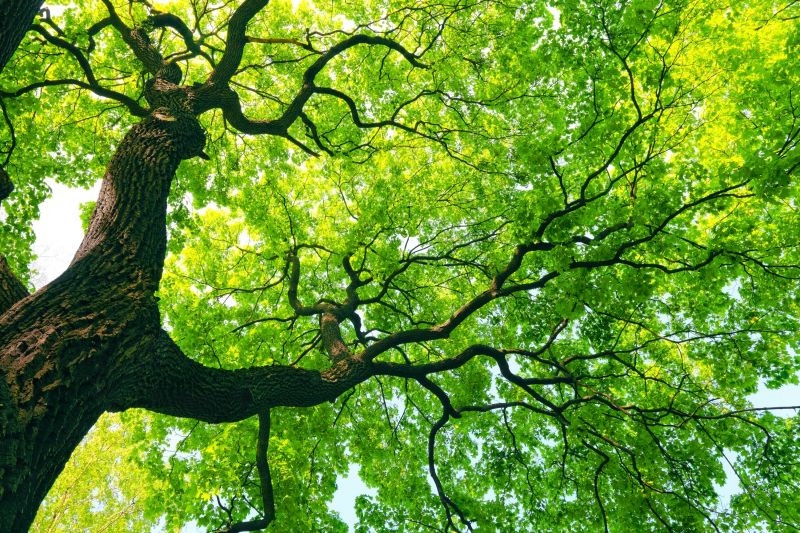
Tree canopy thinning services are often needed when property owners notice overgrown or densely packed branches that block sunlight or create clutter around their homes. Local contractors can help manage these situations by selectively removing parts of the canopy to improve air circulation, reduce shade, or prevent branches from becoming hazards during storms. This work is common in neighborhoods where trees have grown extensively, and property owners want to maintain a balanced landscape or avoid potential damage caused by heavy or falling branches.
Additionally, property owners may seek tree canopy thinning to promote healthier growth or to prepare for upcoming seasons. Clearing out excess foliage can help reduce the risk of pests or disease, and make trees less vulnerable to storm damage. Local service providers are equipped to assess individual trees and perform the necessary thinning to support the overall health and safety of the landscape, ensuring trees remain strong and well-maintained over time.
What is tree canopy thinning? Tree canopy thinning involves selectively removing branches to reduce the density of a tree's foliage, which can improve sunlight penetration and air circulation.
Why might someone need tree canopy thinning services? People may seek canopy thinning to promote healthier tree growth, prevent branch damage, or reduce the risk of falling branches in their property.
How do local contractors perform canopy thinning safely? Local service providers use appropriate techniques and equipment to carefully prune branches, minimizing stress on the tree and ensuring safety during the process.
What types of trees are suitable for canopy thinning? Many deciduous and certain evergreen trees can benefit from canopy thinning, but a professional assessment can determine the best approach for each tree.
How can I find local contractors for canopy thinning services? This website can help connect with nearby service providers experienced in tree canopy thinning to handle the job professionally.
Tree Canopy Thinning for Better Sunlight - Property owners can improve sunlight exposure on lawns and gardens by reducing excess tree canopy.
Enhancing Views and Privacy - Thinning services can help open up views or create a more private outdoor space without removing entire trees.
Reducing Risk of Falling Branches - Regular canopy thinning can decrease the likelihood of broken branches during storms, promoting safety around the property.
Preparing for Landscaping Projects - Thinning trees can make space for new landscaping features or outdoor structures by creating more open areas.
If you are thinking about Tree Canopy Thinning for a property, this guide is meant to help you understand the work, the typical project types, and how different options might fit your plans.
When you are ready, you can use the quote form on this page to share a few details about your project. From there, local pros can review the basics and respond with options that match what you have in mind.